Posted on

Jasper’s Hedgehog Highway! Building Wildlife-Friendly Gardens

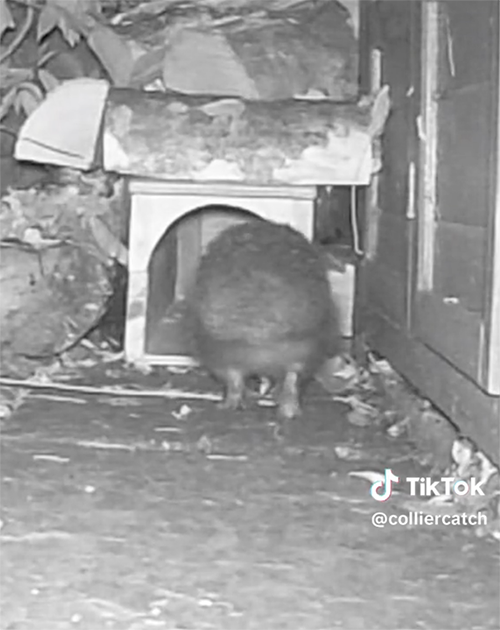
The Adventures of Sheriff Prickles 🦔”

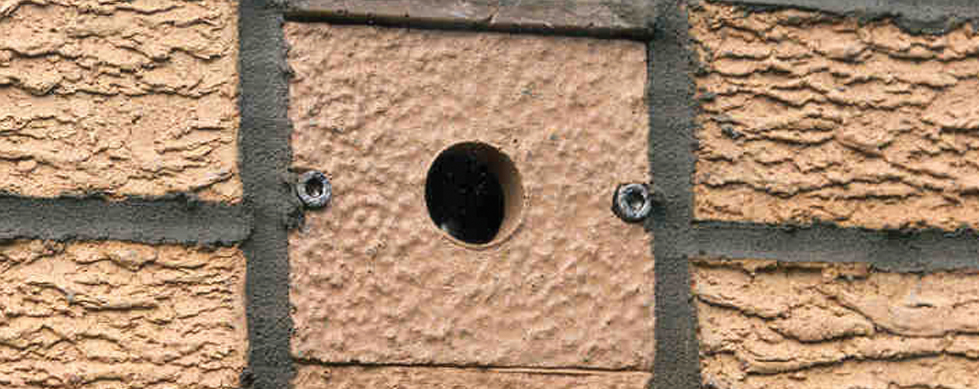
We’re thrilled to share the inspiring efforts of our Purchasing Manager, Jasper Smathers, who has transformed his garden into a haven for local wildlife. He has built a selection of safe-houses and tunnels from extra building materials, and used a Diamond Core Drill to create a custom hedgehog highway through the brickwork.

“We are good at building boundaries to protect our homes and land but don’t spend enough time thinking about the impact this has on our rapidly diminishing local flora and fauna.” – James Park

Jaspers commitment to keeping hedgehogs (and friends) well-fed with “safe snacks” has earned admiration from us all. The star resident? None other than Mr Sheriff Prickles, a charming hedgehog who has made Jasper’s garden his home.

Here are a few simple ways to make your garden more wildlife-friendly:

  • Build a Hedgehog Highway: Hedgehogs are struggling to survive due to habitat loss and barriers like fences and walls. By creating small gaps at the base of fences (around 13cm x 13cm), you can help them roam freely between gardens.
  • Add Shelters and Tunnels: Hedgehogs, frogs, and other creatures love to hide in cozy, dark places. You can use timber, bricks, pipe and products like paving slabs to create tunnels and shelters where wildlife can hide from predators or rest during the day.
  • Install Wildlife-Friendly Ponds: Adding a small pond can attract frogs and insects. Use landscaping materials, stone aggregates, and paving to safely build a pond with gradual slopes for climbing in and out.
  • Create Wildflower Areas: Wildflowers are essential for pollinators like bees and butterflies. With topsoil, mulch, and decorative aggregates, you can build a wildflower patch that provides food and shelter.
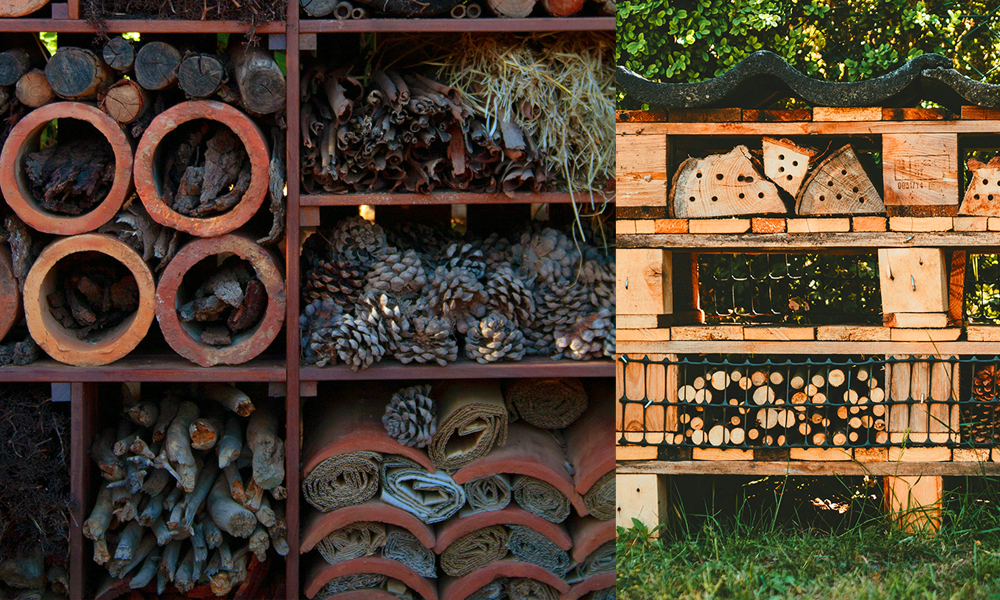
  • Build a Bug Hotel: A bug hotel is an easy, affordable, and a fantastic way to reuse old building products while supporting your local ecosystem by creating a safe haven for insects.

Support declining wild animal populations within our built environment:

  • Bat Boxes: Three standard brick courses high and half a brick course in width, so is easy to build in to a wall during construction. Available to pre-order.
  • Nest Boxes: Designed to provide a sheltered nesting refuge for small birds, specifically blue tits. Available to pre-order.
  • Wildlife Gully Ladders: Helps amphibians, reptiles and other small creatures to escape from drainage gullies. Available to pre-order.
  • Wildlife Kerbs: Designed to allow amphibians to bypass gully grating. Available to pre-order.
  • Wildlife Refuge: The five ACO Wildlife Refuges have been designed to provide shelter and sanctuary for various types of small animal. Available to pre-order.

Start your own Sheriff Prickles adventure and turn your home and garden into a wildlife haven today.

For more inspiration and to explore our range of garden materials, visit our website or pop into one of our branches in Colchester, Ipswich, or Lawford. Let’s help local wildlife thrive, one garden at a time.

Posted on

How to Make a Bug Hotel Using Old Building Materials

Building a bug hotel is a fantastic way to reuse old building materials while supporting your local ecosystem by creating a safe haven for insects. Not only does it help with wildlife conservation, but it also attracts beneficial insects like bees, ladybirds, and butterflies to your garden that help pollinate plants and control pests.

Here’s a step-by-step guide to creating your own bug hotel using materials you may already have left-over from previous projects.

What You’ll Need

Bricks and Blocks: To provide the main structure and framework

Old Timber: Any offcuts or leftover pieces of wood are perfect for making different-sized compartments

Roofing Tiles: Use old tiles to make a roof that shields the bugs from rain

Drainage Pipes or Gutters: These create tubular spaces that many insects love to nest in

Decorative Aggregates: Fill gaps with decorative stones, pebbles, or slate to add texture and additional hiding spaces

Bamboo Canes: Insert bamboo or other hollow tubes to provide ideal homes for bees

Broken Terracotta Pots: Perfect for additional hiding spots

Dry Leaves, Bark, and Twigs: These are essential for filling gaps and creating a more natural habitat for wildlife


Step-by-Step Guide

1. Choose Your Location

Select a sheltered spot in your garden that gets both sun and shade. Ideally, it should be close to flowering plants to attract pollinators.

2. Create the Base Structure

Use old bricks and blocks as the base structure for your bug hotel. Stack them like you would when building a wall, leaving gaps between them. Make sure the structure is stable.

3. Add Layers with Timber

Use old timber to create multiple levels in your bug hotel. The idea is to offer a variety of spaces where different bugs can thrive. Make sure you alternate the size of spaces to cater to different types of insects.

bug

4. Fill the Gaps

Use bamboo canes, hollow stems and drainage pipes to fill any large spaces. These tubular materials provide great nesting sites for solitary bees and other small creatures. You can also pack in twigs, dry leaves, and bark to fill smaller spaces. 

5. Create Hiding Spots

Insert broken terracotta pots and smaller stones from decorative aggregates to create dark, damp places for bugs like woodlice, centipedes, and beetles to hide.

6. Make a Roof

Use roofing tiles or slabs to make a roof for your bug hotel, helping to keep it dry during wet weather. You can also add slate chippings to give it a stylish finish while protecting the bugs from the elements.

7. Decorate and Finish

Get creative by decorating the bug hotel with additional materials you have on hand. Paint some parts of the timber if you like, or add moss and grass to encourage insects to move in quicker.

bee

By reusing building materials such as bricks, timber, and slate, you not only create a haven for insects but also reduce waste, making this project both eco-friendly and sustainable.

Creating a bug hotel is an easy, affordable, and fun project that contributes to the conservation of local wildlife while also adding a unique feature to your garden. Share your own bug hotel project (big or small) with us on completion for a feature on our social media. Good luck! 🐛